


 Opposite Canara Bank Road, Kuttikkattoor, Kozhikode, Kerala 673008
Understanding Dysarthria: A Case-Based Overview”
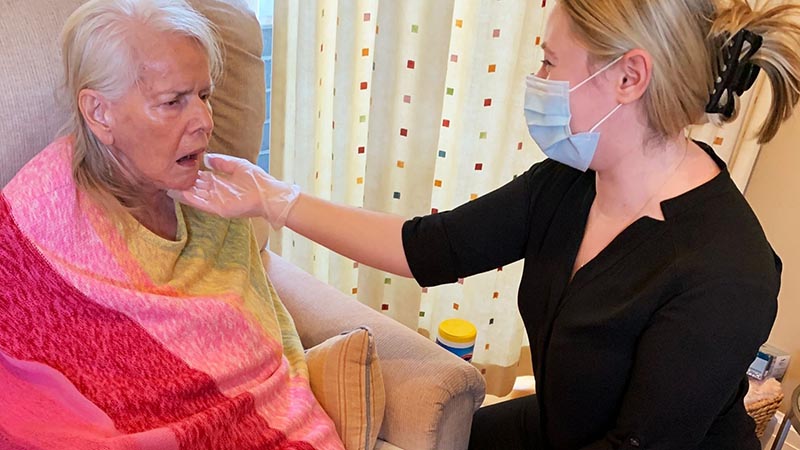
Dysarthria is a motor speech disorder that affects the strength and coordination of the muscles involved for speaking.
This week, we worked with a 58-year-old client who developed slurred and reduced speech after a stroke.
During the initial assessment, we observed reduced breath support, weak lip movement, and difficulty coordinating tongue movements. These challenges made speech unclear and tiring for him.
Our therapy plan focused on respiratory training, oral-motor strengthening, and speech clarity techniques such as slowed pacing, over-articulation, and frequent breaks.
Within a few weeks, his speech became noticeably clearer, and he reported greater confidence while communicating with family members.Dysarthria is a motor speech disorder that affects the strength and coordination of the muscles involved for speaking.
This week, we worked with a 58-year-old client who developed slurred and reduced speech after a stroke.
During the initial assessment, we observed reduced breath support, weak lip movement, and difficulty coordinating tongue movements. These challenges made speech unclear and tiring for him.
Our therapy plan focused on respiratory training, oral-motor strengthening, and speech clarity techniques such as slowed pacing, over-articulation, and frequent breaks.
Within a few weeks, his speech became noticeably clearer, and he reported greater confidence while communicating with family members.Dysarthria is a motor speech disorder that affects the strength and coordination of the muscles involved for speaking.
This week, we worked with a 58-year-old client who developed slurred and reduced speech after a stroke.
During the initial assessment, we observed reduced breath support, weak lip movement, and difficulty coordinating tongue movements. These challenges made speech unclear and tiring for him.
Our therapy plan focused on respiratory training, oral-motor strengthening, and speech clarity techniques such as slowed pacing, over-articulation, and frequent breaks.
Within a few weeks, his speech became noticeably clearer, and he reported greater confidence while communicating with family members.This case highlights how early, targeted intervention can make a meaningful difference in communication and quality of life.