


 Opposite Canara Bank Road, Kuttikkattoor, Kozhikode, Kerala 673008
SPINAL DECOMPRESSION THERAPY
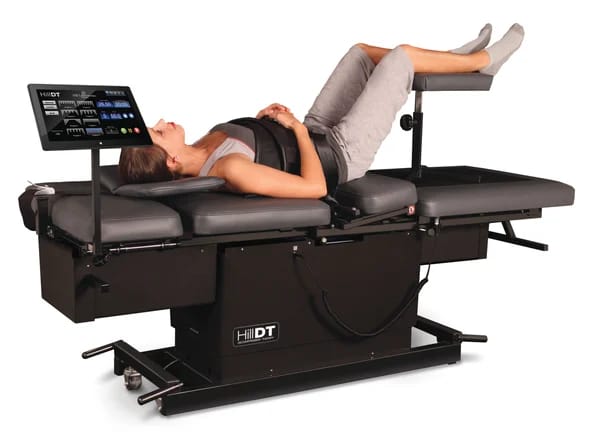
Spinal decompression therapy is a non-surgical treatment aimed at relieving back and neck pain associated with conditions like herniated discs, bulging discs, sciatica, and degenerative disc disease. This therapy utilizes a motorized traction table to gently stretch the spine, creating a negative pressure within the disc space. This negative pressure is theorized to achieve two main goals: first, to slightly retract the bulging or herniated disc material, taking pressure off spinal nerves; and second, to promote the influx of water, oxygen, and nutrient-rich fluids into the disc, which is vital for disc healing and repair. The treatment cycles through periods of distraction and relaxation, typically lasting 30 to 45 minutes, over several weeks. While generally considered safe, spinal decompression therapy is not suitable for everyone, particularly those with conditions like fractures, tumors, advanced osteoporosis, or metal implants in the spine, and it requires consultation with a healthcare professional to determine its appropriateness.
Potential Benefits
*The primary goal of spinal decompression is to relieve chronic back or neck pain by addressing the underlying cause—often a problem with the intervertebral discs.
*Pain Relief: Reduces pressure on spinal nerves caused by herniated or bulging discs, often leading to significant pain reduction in the back, neck, and extremities (sciatica).
*Disc Healing: The negative pressure created by the gentle stretching encourages the flow of oxygen, water, and nutrients into the disc space. This is essential because discs are avascular (they lack a direct blood supply) and rely on this "imbibition" process for repair.
*Non-Surgical Option: Offers an alternative to more invasive procedures like surgery or steroid injections, particularly for chronic disc-related pain.
*Improved Mobility: By reducing pain and promoting disc health, it can help restore flexibility and range of motion.